Top Tips for Women's Health
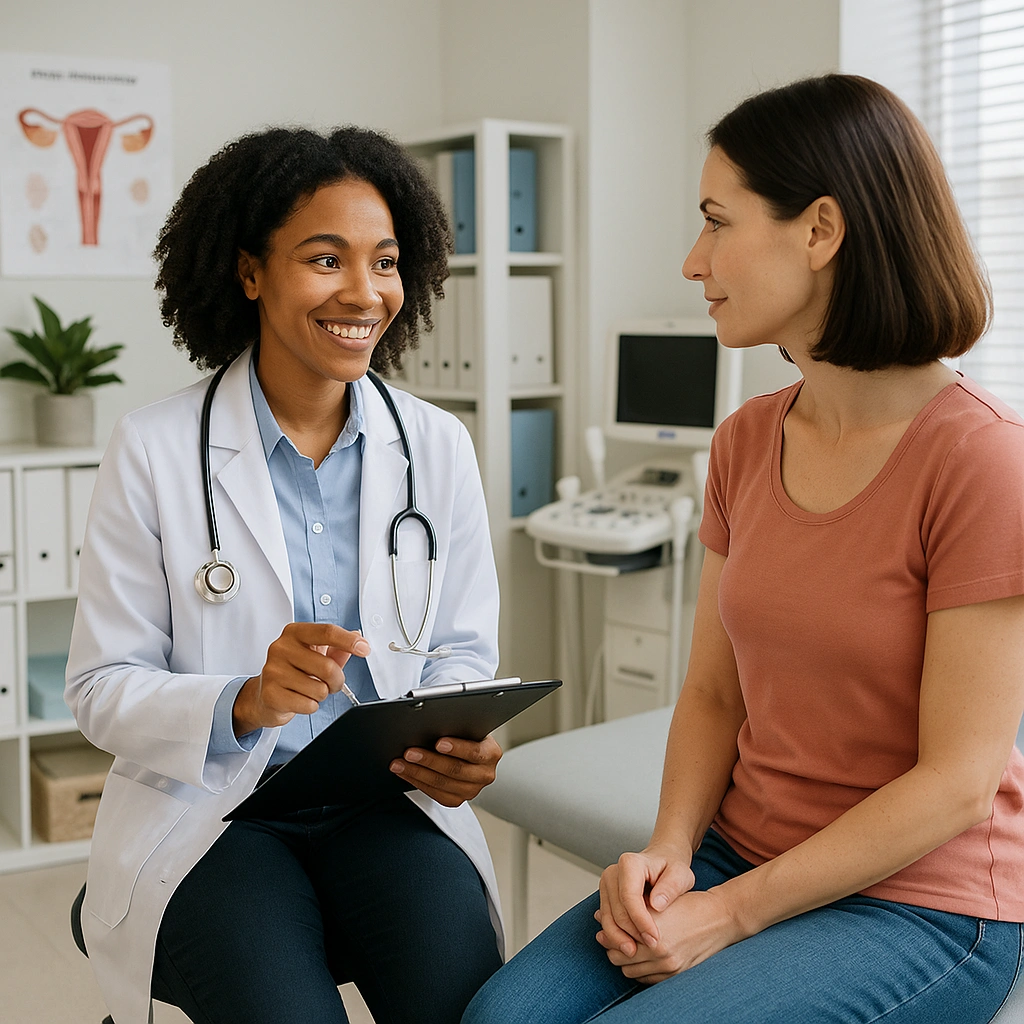
Top Tips for Women's Health
Women's health encompasses a wide range of issues that can significantly impact quality of life. From reproductive health to chronic conditions, understanding how to prioritize health can lead to improved outcomes and well-being. At Clinica Santa Maria, we are committed to providing resources and support tailored to women’s unique health needs. This post offers practical advice grounded in medical insights to help women navigate their health journeys more effectively.
Understanding Your Body
Knowledge is power when it comes to your health. One common concern is menstrual health. For example, many women experience irregular periods, which could be attributed to various factors, including stress, hormonal imbalances, or underlying conditions like polycystic ovary syndrome (PCOS). Tracking your menstrual cycle can provide valuable insights into your health patterns and help in discussions with your healthcare provider.
Regular Check-Ups Matter
Annual gynecological exams are essential for early detection of potential issues. During these visits, physicians examine reproductive health and may recommend routine screenings such as Pap smears. For instance, a woman in her early 30s delayed her check-up due to a busy schedule. When she finally attended her annual visit, abnormal cell changes were noted, leading to further evaluation that might have otherwise been missed. Regular check-ups can lead to prompt interventions, significantly improving health outcomes.
Nutrition and Lifestyle
Nourishing your body with a balanced diet is crucial for maintaining optimal health. Incorporating whole foods, such as fruits, vegetables, whole grains, and lean proteins, can have a profound effect on physical and mental well-being. A woman diagnosed with anxiety noted significant improvements in her mood after adjusting her diet to include foods rich in Omega-3 fatty acids and antioxidants. These changes, coupled with professional guidance, contributed to a more balanced lifestyle.
The Importance of Exercise
Regular physical activity is not just about weight management; it can improve cardiovascular health and enhance mental well-being. A woman who began a consistent exercise routine reported not only weight loss but also improved energy levels and reduced anxiety. Engaging in activities you enjoy—whether dancing, walking, or yoga—can make the process enjoyable and sustainable.
Mental Health Matters
Women face unique mental health challenges, from hormonal fluctuations to societal pressures. It’s essential to recognize when to seek help. For example, postpartum depression is a serious condition affecting many new mothers. A woman who felt overwhelmed might initially think her feelings are typical, but reaching out for help can lead to effective treatment options. Mental health is just as vital as physical health, and seeking assistance is a sign of strength.
Building a Support Network
Social support plays a critical role in mental health. Engaging with friends, family, or support groups can provide comfort and understanding during challenging times. A woman coping with chronic illness found solace in a local support group, where she could share her experiences and receive encouragement from those facing similar challenges. Building connections can enhance resilience and provide practical tips for coping with various health issues.
Understanding Reproductive Health
Reproductive health is an integral aspect of women's overall health. Issues such as endometriosis or infertility can deeply impact women’s lives. For instance, one patient experiencing severe menstrual pain was diagnosed with endometriosis after years of suffering and misdiagnoses. Awareness of symptoms and open dialogue with healthcare providers are essential for accurate diagnosis and treatment. Women should feel empowered to advocate for their health and seek second opinions if necessary.
Emphasizing Prevention
Preventive care is a crucial aspect of women’s health. Vaccinations, such as the HPV vaccine, can protect against certain types of cancers. Additionally, knowledge about risk factors for diseases such as breast cancer can lead to proactive health measures. Regular self-exams and mammograms can lead to early detection, improving treatment success rates significantly.
Conclusion
Women’s health requires a proactive approach, focusing on education, self-advocacy, and community support. By understanding their bodies, maintaining regular check-ups, prioritizing mental and physical health, and fostering supportive relationships, women can navigate their health journeys with confidence. Remember, you are not alone on this journey. Knowledge, coupled with compassionate healthcare, is the cornerstone of effective health management.


